Showing 177–192 of 198 results



Man Lifts
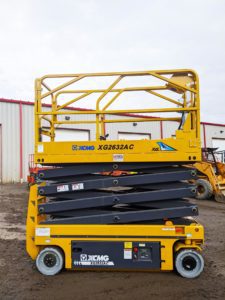
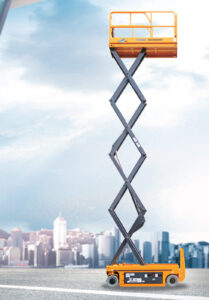
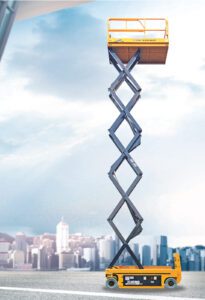
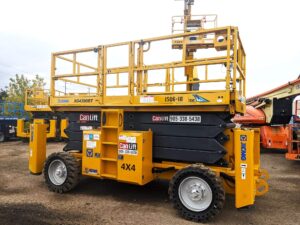
Man lifts, also referred to as manlifts or one-man lifts, are compact aerial work platforms that allow safe, elevated access for a single operator. Ideal for maintenance, installations, and indoor work, man lifts offer a safe and efficient alternative to ladders or scaffolding. Browse CanLift’s wide range of man lifts for sale or rent.
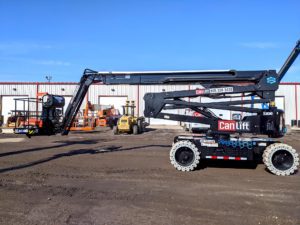
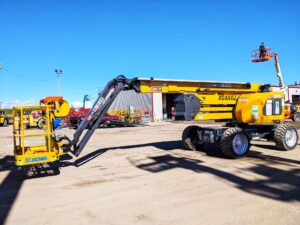
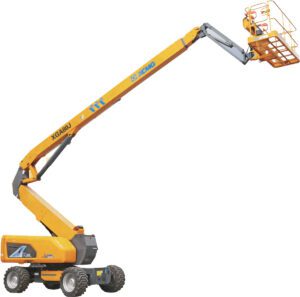
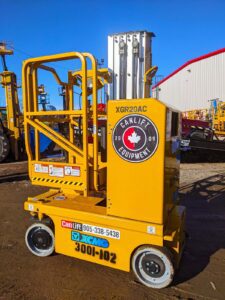
QUICK QUOTE
Not sure what you want?
Clive AI can answer any lift question.
Your privacy is very important to us. We do not sell, share, or distribute any of your personal information with any third parties. Please read our privacy policy for more information
What Man Lifts Are and Why They’re Used
Man lifts are aerial work platforms designed specifically to elevate one person to perform work tasks at heights safely. Manlifts provide a stable platform for operators, making them ideal for maintenance, installation, inventory work, warehousing, and other tasks where reaching elevated areas is necessary. Man lifts are typically found in construction settings, warehouses, and facilities as a reliable alternative to ladders and scaffolding.
Benefits of Using a Man Lift
Man lifts deliver unparalleled convenience and safety for a single-person completing elevated work. Compared to ladders or scaffolding, man lifts offer secure guardrails and stable platforms, reducing the risk of falls. Their compact design also allows many models to fit through standard doorways, allowing operators to work in tight spaces without compromising on mobility or safety.
Choosing the Right Man Lift
CanLift offers a variety of manlifts suited to varying job requirements and work environments. Some models are lightweight and ideal for indoor facility maintenance, while others can provide additional height, ruggedness, or maneuverability. Whether you need a one-man lift for inventory tasks or more extensive maintenance work, CanLift’s team will help you select the right model for your specific needs.
Man Lift Features and Customization
Man lifts can be tailored to many tasks through optional accessories and custom features. Many lifts offer easy-to-use joysticks for intuitive control, durable guardrails for operator safety, and robust construction for long-term tough use.

Satisfaction is guaranteed.
Contact our sales and rental team today for a free, no-obligation quote. Our team is available to answer your questions about man lift equipment.
Frequently Asked Questions
What is a man lift used for in facilities?
Man lifts are used to safely elevate a single operator to high reach areas for repairs, installations, inventory tasks, and general maintenance. They provide a stable and secure platform for completing elevated tasks more efficiently than ladders or scaffolding.
When is a man lift safer than a ladder or scaffold?
Man lifts are generally safer when working at height because they provide guardrails, a stable platform, and controlled elevation with safety checks and mechanisms. Unlike ladders or scaffolding, they help to reduce the risk of falls and provide stability where traditional methods lack.
How high do typical man lifts go for indoor work?
Man lifts vary in height, but many compact models which are designed for indoor use can extend tens of feet safely and efficiently making them perfect for accessing high shelves or light fixtures. The exact working height will depend on the model and configuration you choose.
Are man lifts good for one-person maintenance tasks?
Yes. One-man lifts are specifically designed to elevate a single operator for maintenance, installation, facility operations, or any other elevated tasks, offering a safer and more efficient solution compared to ladders or scaffolding.
Can man lifts fit through standard interior doors and hallways?
Depending on the model, but typically yes - many man lift models are compact enough to fit through standard interior doors with guardrails in the upright position, making them highly useful for indoor facility tasks and constrained spaces.
Do you need special training to use a man lift?
Yes. It is highly recommended that operators are trained on proper operation, safety protocols, and maintenance procedures before using a man lift to ensure safe and effective use at elevated heights.
Are electric man lifts suitable for finished indoor floors?
Electric man lifts in particular are often used for indoor work because they are designed to operate smoothly without generating emissions, making them suitable for finished indoor floors when used according to manufacturer guidelines.
Are push-around man lifts easy to move and position?
Yes. Push-around man lifts are lightweight and specifically designed for easy movement and positioning, allowing a single operator to relocate the equipment with ease.