Showing 177–192 of 198 results



Aerial Lifts
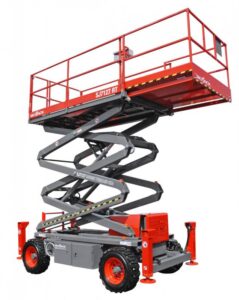
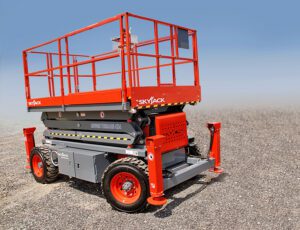
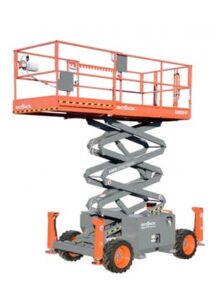
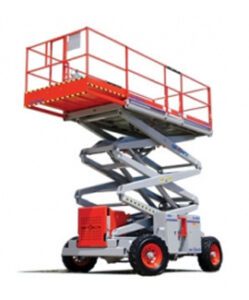
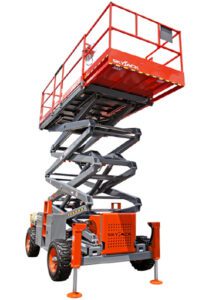
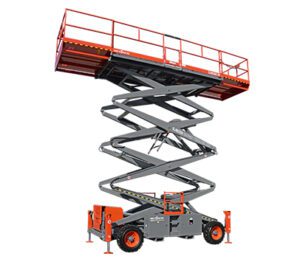
Aerial lifts, also referred to as aerial platforms or aerial work platforms, provide safe, elevated access for workers on job sites of all kinds. These highly versatile machines safely replace ladders and scaffolding with stable platforms that can be used for a variety of elevated tasks. Browse CanLift’s wide selection of aerial lifts for sale and rental options.
QUICK QUOTE
Not sure what you want?
Clive AI can answer any lift question.
Your privacy is very important to us. We do not sell, share, or distribute any of your personal information with any third parties. Please read our privacy policy for more information
What Aerial Lifts Are and Why They Matter
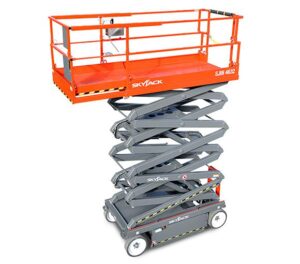
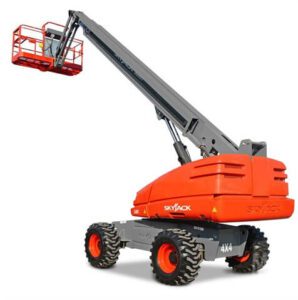
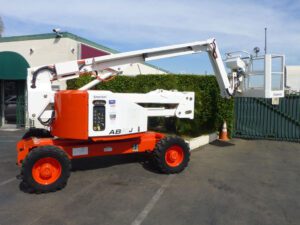
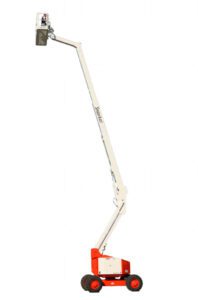
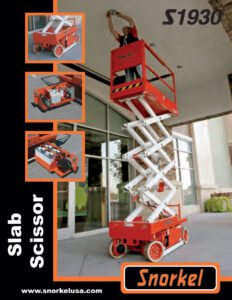
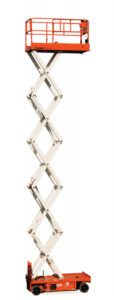
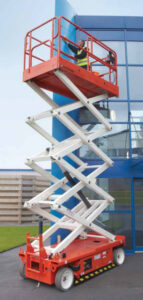
Aerial lifts consist of a platform attached to a lifting mechanism that raises workers and their equipment to elevated work areas. This machinery covers a wide range of designs, from boom lifts that extend horizontally and vertically, to mast and scissor lift styles, making them useful across construction, maintenance, and industrial settings of various sorts. Their ability to safely elevate personnel and materials is a primary reason they’ve largely replaced scaffolding.
Indoor and Outdoor Aerial Work Solutions
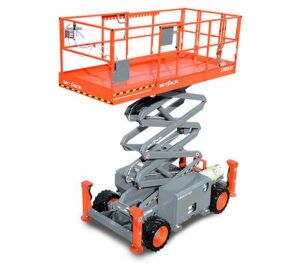
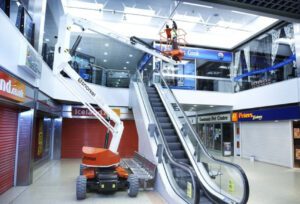
Aerial lifts are designed for both indoor and outdoor applications, making them a versatile choice across industries. Electric aerial lifts are ideal for finished indoor floors and warehouse environments because they operate without emissions and at a quieter decibel level. Diesel and rough‑terrain models, including those with 4×4 drive, handle rugged outdoor jobsites with uneven surfaces.
Safety Advantages Over Traditional Methods
Aerial work platforms deliver significant safety improvements over scaffolding. They provide secure guardrails and a stable work area to hold the worker and their tools, reducing the risk of falls and instability. Unlike ladders, aerial lifts also allow workers to bring needed materials up with them, minimizing the need to climb up and down repeatedly, a common source of workplace injuries.
Choosing the Right Type of Aerial Lift
Not all aerial lifts are the same, so choosing the right one is imperative. Options range from compact electric lifts suited for indoor facility work to large boom platforms capable of reaching significant heights on construction sites. Scissor lifts offer direct vertical movement, while boom lifts provide a greater horizontal reach, and vertical mast lifts typically excel in tight spaces. Understanding your work environment and tasks will allow you to select the best aerial platform for the job.

Satisfaction is guaranteed.
Contact our sales and rental team today for a free, no-obligation quote on aerial lift equipment.
Frequently Asked Questions
Can aerial lifts be used in warehouses and distribution centers?
Yes. Aerial lifts, specifically electric models, are commonly used in warehouses and distribution centers for maintenance, inventory tasks, lighting access, and other elevated work where ladders aren’t practical and reach is required.
Are aerial lifts suitable for tight or crowded work areas?
Yes. Some aerial lift types, such as vertical mast lifts and compact electric platforms, are designed to operate in confined spaces or crowded work environments, making them ideal for indoor maintenance tasks.
What are aerial lifts used for on job sites?
Aerial lifts are used to safely elevate personnel and tools to heights that would be otherwise difficult or impractical to reach with scaffolding. They’re utilized in tasks ranging from construction and maintenance to electrical and repair work.
When should you choose an aerial boom lift instead of a ladder?
Choose an aerial boom lift when reach, safety, and platform stability are necessary considerations, especially for tasks at significant heights or where horizontal outreach is needed, such as outdoor facade work or overhead installations.
Are electric aerial lifts better for indoor projects?
Yes. Electric aerial lifts are well suited for indoor projects because they operate without emissions, helping protect finished floors and indoor air quality while providing stable, quiet access to elevated spaces.
Do you need certification to operate an aerial lift?
Yes. Operators need to obtain proper training and certification to use aerial lifts safely. This training covers pertinent information like controls, load limits, hazard recognition, inspections, and safe operating procedures.
Are aerial lifts required for certain maintenance or construction tasks?
In many cases, aerial lifts are the recommended or required solution for tasks that involve working at significant elevated heights, especially where safety standards indicate stable platforms and load‑bearing capability that ladders or scaffolding simply can’t provide.